By Rhonda Robinson Taylor
September 28, 2029
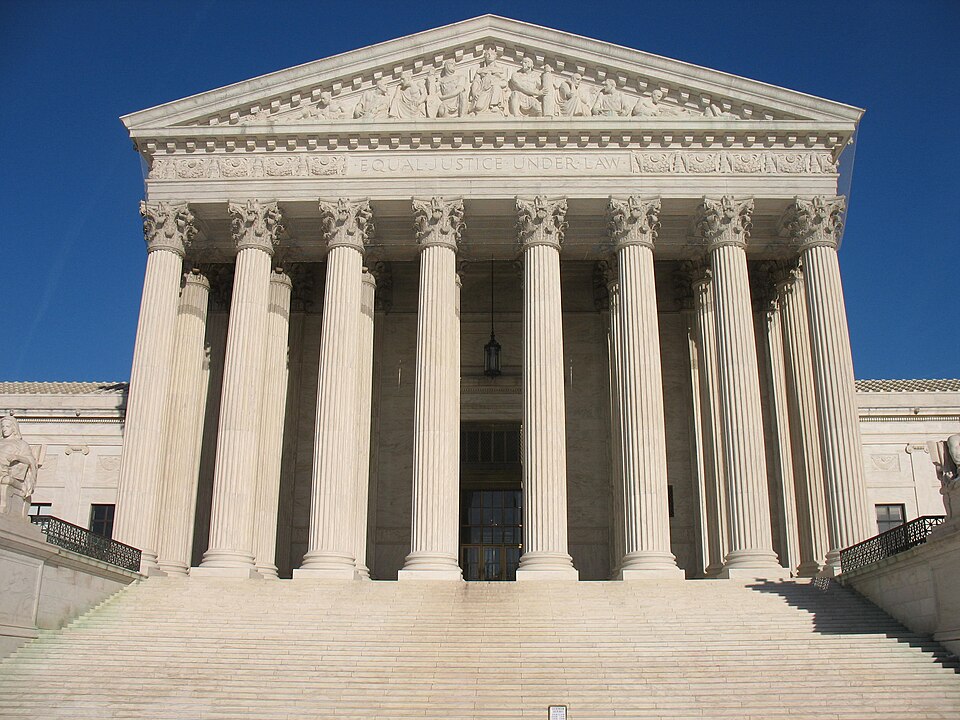
WASHINGTON D.C. — The U.S. Supreme Court today declined to review a challenge to one of the first laws enacted post-secession, which gave the District of Columbia a voting member of the U.S. House of Representatives and two U.S. senators.
The Republican parties of Virginia and Maryland sued in January to overturn the D.C. Voting Rights Act, which President Alexandria Ocasio-Cortez signed after one week in office. The plaintiffs claimed that only a constitutional amendment, not an act of Congress, could provide voting representation to the District in each chamber.
A federal judge sided against the plaintiffs, and the U.S. Court of Appeals for the D.C. Circuit agreed that Congress acted lawfully by extending equal representation to the District. The act also allowed Puerto Rico to hold a referendum this November, and will automatically grant voting representation if a majority of voters on the island supports the measure.
With no noted dissents, the Supreme Court denied review of the circuit court’s decision.
“We were told for decades that giving the District of Columbia equal voice in the national legislature was impossible. That second-class citizenship was all we could hope for,” said U.S. Rep. Robert White, D-D.C., who entered Congress as a nonvoting delegate before secession. “As I prepare to cast my 100th vote on the floor, I am proud to say that progress is possible.”


Leave a comment